

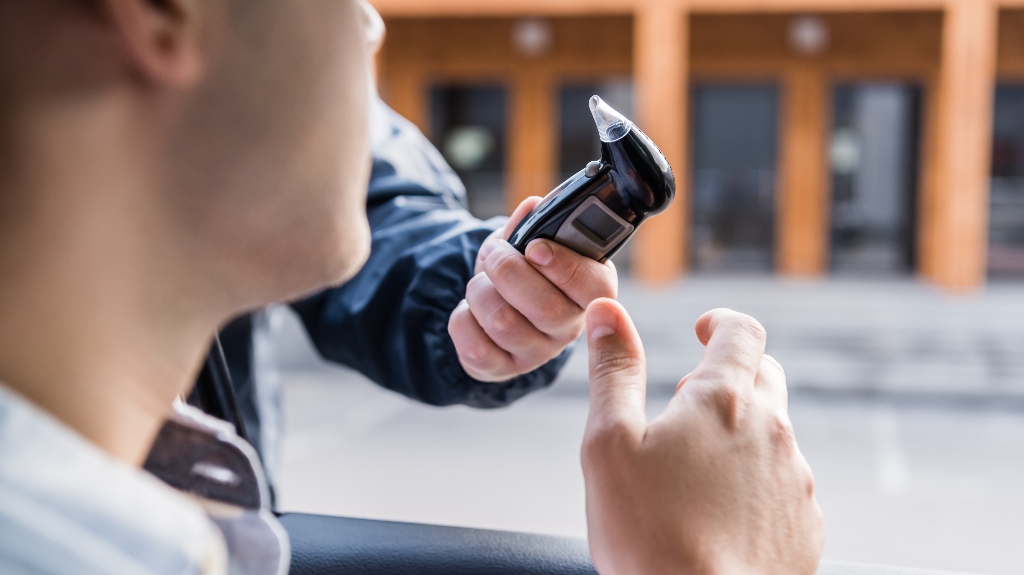
A traffic stop for suspected drunk driving can unfold quickly. Those choices you make in these moments can affect your future. You may be asking yourself, “What happens if I refuse a breathalyzer test in Michigan?”
Unfortunately, refusing a breath test can carry serious consequences. While refusal may feel like a way to protect yourself, it can create legal issues. Here is what you need to know about how Michigan law treats breathalyzer refusals in the state.
What Is Michigan’s Implied Consent Law?
Michigan law uses an implied consent system. When you choose to drive on Michigan roads, you agree to submit to a chemical test if you are arrested for operating while intoxicated.
This agreement does not apply to every interaction with law enforcement. There is an important distinction between roadside breath tests and post-arrest chemical tests.
What Can You Refuse?
At the roadside, an officer may ask you to take a Preliminary Breath Test (PBT). This device is used before an arrest to help determine whether probable cause exists.
For most drivers over 21, refusing a PBT is legally permitted. However, refusal does not prevent an officer from making an arrest based on other evidence, such as:
- Field sobriety tests
- Driving behavior
- Physical observations
Drivers on probation for prior alcohol-related offenses or those subject to zero-tolerance rules may face penalties for refusing a PBT.
Once you are arrested, the situation changes. At that point, you may be asked to submit to a formal chemical test. Most of the time, this is a test administered at a police station.
When you refuse this test, that can trigger penalties under Michigan’s implied consent law, no matter whether you are convicted of a DUI offense.
What Happens If You Refuse After Arrest?
Refusing a post-arrest chemical test can result in:
- A one-year suspension of your driver’s license for a first refusal
- A two-year suspension for a second refusal within seven years
- Six points added to your driving record
These penalties are administrative, not criminal. However, they can affect your ability to work, care for your family, and manage daily responsibilities. In most cases, restricted or hardship licenses are not available during a refusal suspension.
Your Right to an Implied Consent Hearing
After a refusal, you have the right to request an implied consent hearing with the Michigan Secretary of State. You must make this request right away, within 14 days. The hearing is limited in scope. The hearing officer will review whether:
- The officer had reasonable grounds to believe you were driving under the influence
- You were lawfully arrested
- You were properly advised of your implied consent rights
- You refused the chemical test
If these elements are established, the license suspension will be upheld.
Refusal Does Not Stop DUI Charges
Remember that refusing a breathalyzer test does not prevent DUI charges. Prosecutors may still rely on other forms of evidence, including:
- Officer observations
- Field sobriety tests
- Video footage
- Witness statements
In some cases, the refusal itself may be introduced as part of the evidence, depending on the circumstances.

Is Refusing a Breath Test Ever the Right Choice?
Every case is different. While refusing a chemical test may limit certain types of evidence, it also carries automatic penalties and does not stop a DUI case from moving forward.
Since the decision has long-term implications, you want to discuss your situation with a Michigan DUI attorney who can explain how refusal may affect both your license and your defense.
Get Legal Help for Your DUI Case
So, what happens if I refuse a breathalyzer test in Michigan? Refusing a breathalyzer test can have serious consequences, especially after an arrest.
If you are facing a DUI investigation or have refused a breath test, you need to know your rights and act quickly. At the Law Office of James Fillmore, we can help you determine your next steps. Schedule a consultation to discuss your options and protect your rights.
